
100% Identification Accuracy! New Zealand's Fiordland Lobster Company Launches AI Lobster Identification System!
New Zealand's Fiordland Lobster Company (FLC) is advancing an artificial intelligence identification system called Lobster ID, which scans the unique patterns on a lobster's shell to identify each individual lobster and trace its fishing origin.
New Zealand's Fiordland Lobster Company (FLC) is advancing an artificial intelligence identification system called Lobster ID, which scans the unique patterns on a lobster's shell to identify each individual lobster and trace its fishing origin.
Lobster ID was initiated, led, developed and commercialized by FLC, and the related intellectual property rights belong to FLC. The project's technical research and development was carried out by FLC in collaboration with the Institute for Marine and Antarctic Studies (IMAS) at the University of Tasmania, Australia.

FLC CEO Jason Judkins explained that the shell patterns of each lobster are as unique as a human fingerprint. Scanning with Lobster ID can link a lobster to information such as its catch date, fishing area, fishing vessel and fisherman. From the moment a lobster leaves the fishing vessel and enters processing until it reaches the market, its entire journey can be tracked, and scanning records can be used to trace it back to the specific individual and its catch information.
The technical team trained the AI model using a large number of lobster images. University of Tasmania researcher Dean Giosio said the system achieved 100% identification accuracy on both test and real-world data, with a single processing time of less than 1 second. The database currently contains images of thousands of Southern Rock Lobster (Jasus edwardsii) from fishing grounds in New Zealand and Australia.
Even more remarkably, the system's identification capability extends across the lobster's entire growth cycle. Even if a lobster molts, grows larger, or has barnacles or algae attached to its shell, the system can still identify the same individual; even after cooking, when only the shell remains, identification is expected to be possible.
Unlike traditional physical tags, a lobster's natural shell patterns cannot simply be removed or replaced, providing a new technical means of product identity verification.
For the premium seafood market, one of Lobster ID's greatest values is making origin information verifiable.
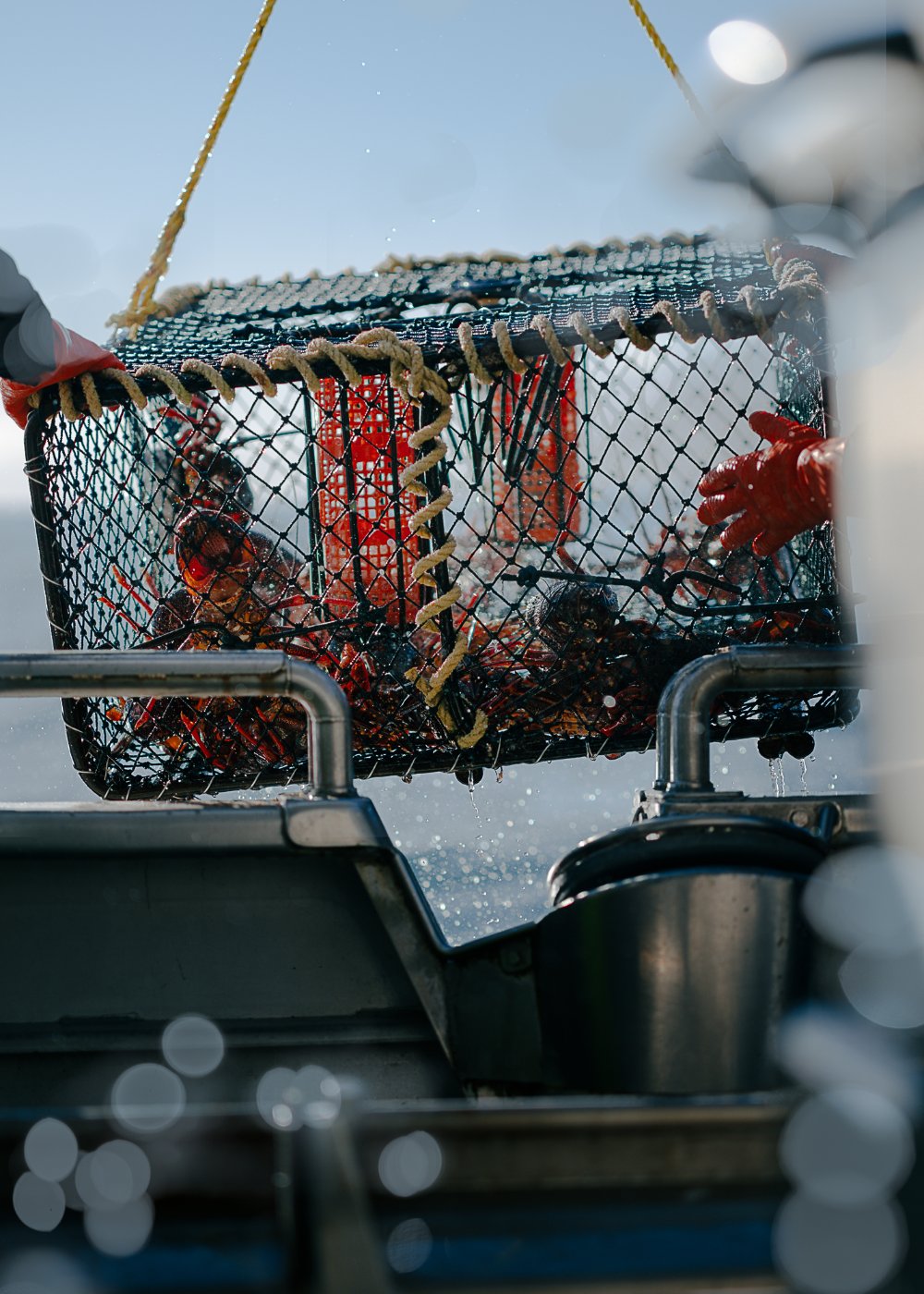
Southern Rock Lobster is an important ingredient in China's premium dining and banquet market, and its high price means it also faces issues such as origin confusion and mislabeling. Both New Zealand and Australia produce Southern Rock Lobster of the same species, and after entering overseas markets, products may be co-mingled with lobsters from different production areas, making accurate distinction by appearance alone often difficult.
FLC exports about 1,000 tonnes of Southern Rock Lobster annually to China's premium market. China is not only one of FLC's most important markets but also the core of its long-term development strategy.
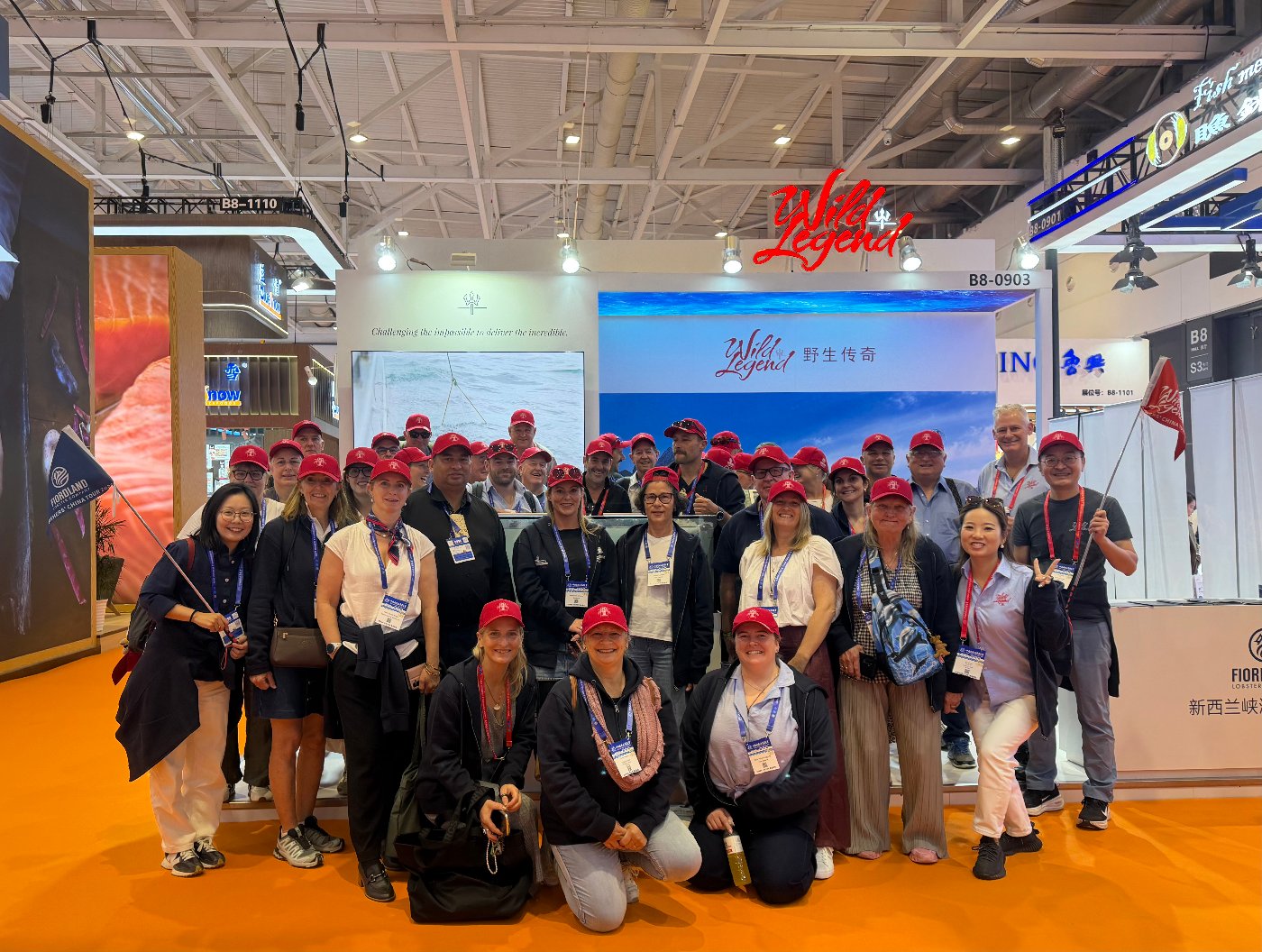
In October 2026, FLC organized the "Fishers' China Tour 2026," bringing about 45 fishermen, shareholders and family members from New Zealand to visit China. The group visited Shanghai, Beijing and Qingdao, touring seafood wholesale markets, meeting industry clients, attending business exchange events, and visiting the China Fisheries & Seafood Expo in Qingdao.

The event aimed to give New Zealand fishermen firsthand insight into the Chinese market, bringing them into close contact with customers and end consumers, and helping them understand the complete supply chain from catch to table, as well as Chinese consumers' expectations for quality, service and product origin.
Looking ahead, FLC hopes to further strengthen its connections with Chinese importers, distributors, restaurants, chefs and consumers while continuing to supply premium live lobster, enhancing market awareness and brand value for New Zealand Southern Rock Lobster.
Lobster ID is an important part of this long-term strategy. FLC hopes that through transparent and trustworthy traceability information, consumers will not only know where their lobster comes from but also learn about the fishermen and fishing stories behind it, thereby building deeper trust and brand recognition.
Comments(0)
No comments yet. Be the first to comment.